lorenzabcik.com

Wildlife Photography

Conservation & Nature, Photography Tips, Wildlife Photography

How to Photograph Wildlife Ethically and Responsibly

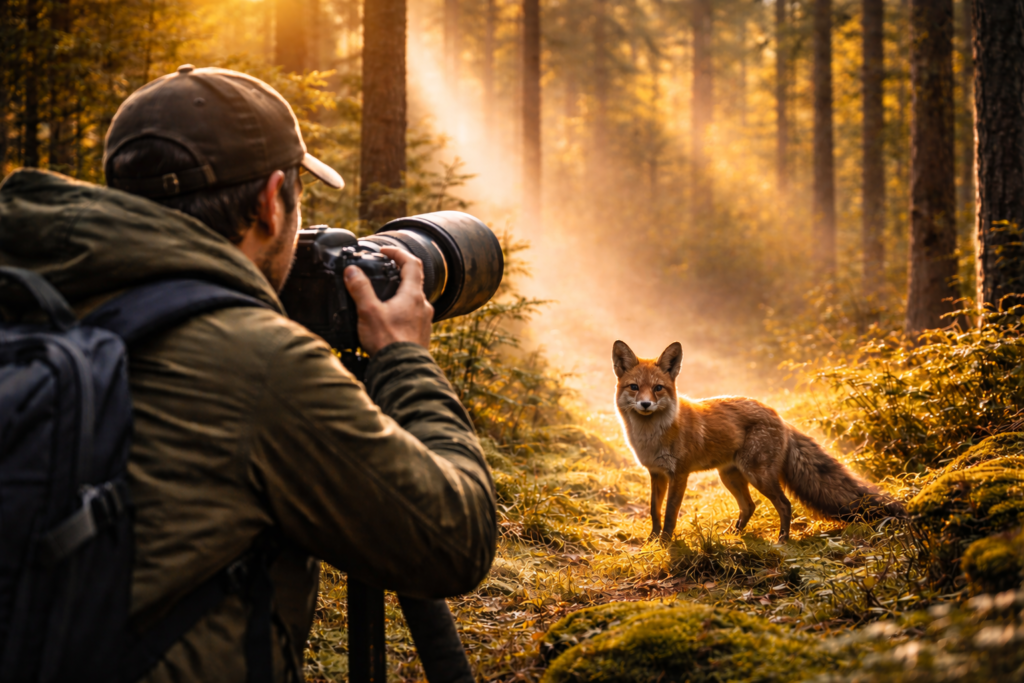
Wildlife photography is powerful but with that power comes responsibility. Capturing animals in their natural habitat requires more than technical skill. It requires patience, awareness, and respect. Ethical wildlife photography protects both the subject and the environment. Below are key principles that guide responsible fieldwork. 1. Respect Distance Wild animals should never feel threatened or stressed. Using long telephoto lenses allows photographers to maintain a safe distance while still capturing intimate details. If an animal changes its behavior because of your presence, you’re too close. 2. Never Bait or Stage Wildlife Authenticity matters. Baiting animals for dramatic images disrupts natural behavior and can create long-term harm. Responsible wildlife photography documents real moments not manipulated ones. 3. Protect the Habitat The environment is just as important as the animal. Avoid trampling vegetation, disturbing nesting areas, or altering terrain for a better angle. Leave the landscape exactly as you found it. 4. Practice Patience The best wildlife images are not rushed. Waiting for natural movement, light shifts, or behavioral moments creates images that feel honest and immersive. Wildlife photography is about observation, not control. 5. Understand Animal Behavior Researching species behavior helps photographers anticipate moments while minimizing disturbance. Knowing when animals feed, rest, migrate, or hunt allows you to plan responsibly. 6. Follow Local Regulations Many wildlife areas have protected zones, seasonal restrictions, and legal boundaries. Always follow local conservation rules and guidelines. Why Ethical Photography Matters Wildlife photography influences how people see nature. When captured responsibly, images build appreciation and awareness. When captured irresponsibly, they can contribute to harm. Photography should inspire protection not exploitation. Final Thoughts Wildlife photography is a privilege. Approach it with respect, patience, and humility. The goal is not to conquer the wild but to witness it. If you’d like to explore wildlife collections captured with these principles in mind, visit the Portfolio or Prints page.
Conservation & Nature, Wildlife Photography

Why Wildlife Photography Matters More Than Ever

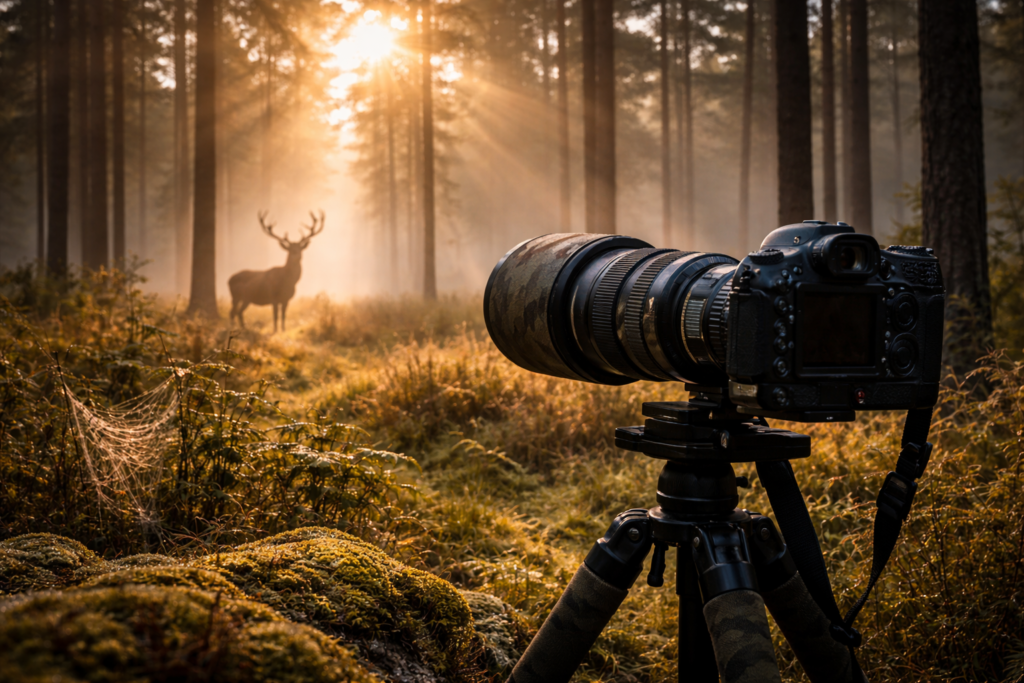
In a world moving faster than ever, nature remains one of the few places where time feels untouched. Wildlife photography is not simply about capturing beautiful animals. It is about preserving moments that may never exist in the same way again. As habitats shrink and ecosystems shift, images become more than art they become records of existence. The Power of a Single Frame A single photograph of a bear at dawn or an owl at dusk carries more than visual beauty. It carries presence. It carries atmosphere. It carries truth. Wildlife photography invites viewers into environments they may never experience firsthand. It allows people to witness the quiet intensity of nature without disturbing it. And in doing so, it builds awareness. Patience Creates Perspective Unlike studio photography, wildlife cannot be directed. There are no staged moments. No second takes. Hours sometimes days are spent observing behavior, waiting for light, and respecting distance. The result is authenticity. Each image represents patience, understanding, and restraint. Conservation Through Connection People protect what they feel connected to. When someone sees the intensity in the eyes of a mountain lion or the stillness of a forest at sunrise, something shifts. The image becomes more than scenery it becomes emotional. That emotional connection is what drives conservation awareness. Wildlife photography bridges the gap between distant ecosystems and everyday life. Bringing the Wild Into Your Space Fine art wildlife prints are more than décor. They are reminders. Reminders of vast forests. Quiet mornings. Untamed beauty. Displaying wildlife photography in a home or workspace keeps that connection alive daily. A Responsibility Behind the Lens Ethical wildlife photography is rooted in respect. No interference.No baiting.No habitat disruption. The goal is not to control nature but to witness it. When captured responsibly, photography becomes preservation rather than intrusion. Final Thoughts Wildlife photography matters because the wild still matters. In a digital age filled with noise, nature remains grounding. Powerful. Real. And sometimes, all it takes is one image to remind us why protecting it is essential. If you’d like to explore available prints or learn more about specific collections, visit the Prints page or get in touch.

Scroll to Top